It’s Christmas Eve 2038. The world has been destroyed due to nuclear war, but Santa, being immortal, has survived, and plans to deliver presents to the few remaining humans locked in their fallout shelters.
You wake up one Sunday to discover that your idiot neighbour Jerry has declared your suburban street to be an independent republic, erected barricades and commandeered your VW camper van as a mobile base of operations for the provisional government.
A girl you met online stood you up for your first date, but you didn’t mind because the place she had you go was fantastic! You agreed to more “dates” like this, excited to explore. After several “dates,” something happens that catches you off guard…
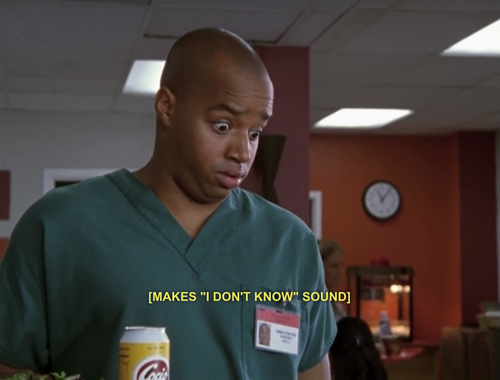
You know what I think is really cool about language (English in this case)? It’s the way you can express “I don’t know” without opening your mouth. All you have to do is hum a low note, a high note, then another lower note. The same goes for yes and no. Does anyone know what this is called?
These are called vocables, a form of non-lexical utterance – that is, wordlike sounds that aren’t strictly words, have flexible meaning depending on context, and reflect the speakers emotional reaction to the context rather than stating something specific. They also include uh-oh! (that’s not good!), uh-huh and mm-hmm (yes), uhn-uhn (no), huh? (what?), huh… (oh, I see…), hmmn… (I wonder… / maybe…), awww! (that’s cute!), aww… (darn it…), um? (excuse me; that doesn’t seem right?), ugh and guh (expressions of alarm, disgust, or sympathy toward somebody else’s displeasure or distress), etc.
Every natural human language has at least a few vocables in it, and filler words like “um” and “erm” are also part of this overall class of utterances. Technically “vocable” itself refers to a wider category of utterances, but these types of sounds are the ones most frequently being referred to, when the word is used.
Reblog if u just hummed all of these out loud as you read them